
DECEMBER in Robertson Gardens
Growing Hydrangeas in the Southern Highlands
Hydrangeas (Hydrangea macrophylla) are the perfect flowering shrub for a summer floral display in the Southern Highlands. They flower from late spring through summer and then give a lovely autumn display as their blooms produce russet hues with the cooler weather.
They love a moist soil and part shade with protection from hot afternoon sun and strong hot winds. Many Hydrangeas macrophylla cultivars will change flower colour depending on the soil pH . Acidic soil will encourage blue flowers, alkaline soil will produce pink flowers, while most white hydrangeas will remain white regardless of the soil pH. A Neutral ph (7) tends to produce a pale pastel colour of either pink or blue. There are products you can buy to alter the pH of the soil and therefore change the colour of your blooms.
Hydrangeas lose their leaves in winter and for a good display of flowers the following season they are best pruned in late winter. Just cut back by a third to two large healthy buds. Apply a slow-release fertiliser, designed for flowering plants such as roses, in early spring. Irrigate when necessary as plants will wilt if the soil dries out.

First Anniversary of the Seed Library
As we go to print, we are reflecting on our first 12 months of the Robertson Garden Club sponsoring and operating the seed library out of the CTC.
We must say a big thank you to the CTC who host the library and let us know when seeds are low.
The local community has shown a lot of enthusiasm with taking seeds and presumably growing them.
To date however the number of returned seeds has been limited.
The whole point of the seed library is to is to encourage everyone within the community to grow their own food, herbs, flowers and local habitat gardens to help build food resilience within the community, promote sustainable gardening practices and support our local environment.
A seed library helps preserve Traditional and Heritage varieties and over time we can build a collection of seeds that are adapted to our local soils and climate.
This can only happen if people participating in the seed library allow one of two of their plants to flower and go to seed and then the seeds are harvested and returned to the library.
So, we are shouting out to anyone who is growing seeds from the library to please return some of the seeds when they harvest them. Please just drop them into the return seeds box on the trolley at the CTC with the name of the plant, when it was harvested and when it is best sown.
If anyone is struggling with saving seeds, please see the brochure that is on the trolley. It has some simple instructions and links to more information.
We will also be featuring, in the 2026 newsletters, how to save seed from various plants so stay tuned if you need more information.
DECEMBER in the garden
The prolonged dry spell continues. Applying a wetting agent and then mulching to retain soil moisture are measures we can take to keep our gardens looking great and productive.
This month we should be deadheading flowering plants such as roses to encourage more blooms. It is also time to be thinking about how to protect our berries and fruits from pests like birds. It can be as simple as a frame covered in netting or as elaborate permanent meshed structure.
It is also a great time of the year to propagate perennial herbs such as mint, oregano, tarragon, marjoram, chives and thyme from softwood cuttings or root division. Or hardwood herbs such as lavender, rosemary, sage from semi hardwood cuttings. Plants propagated now will be a great size for next year's spring plant sale.

In the Veggie patch
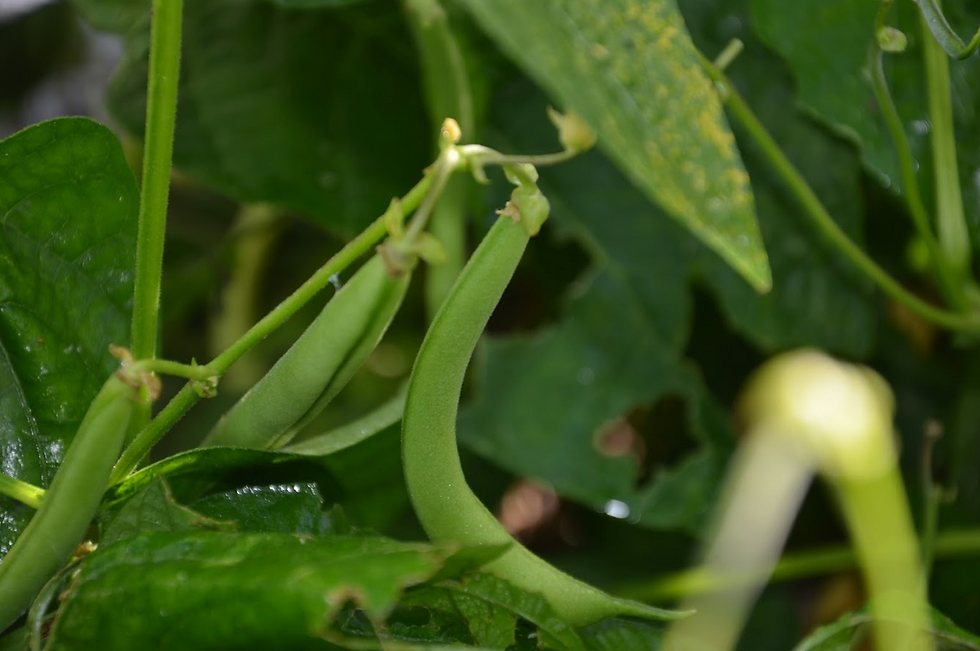
Continue to plant all your summer vegetables such as tomatoes, capsicum, eggplant, zucchini, cucumber, sweetcorn, cabbage, carrots, celery, broccoli, silver beet, lettuce, leek, Asian brassicas and beans and beetroot.
By late January it will be time to start some of your winter crops such as Broccoli, Cauliflower and Brussel sprouts . Continue to successively plant summer herbs like dill, chervil, coriander, basil and parsley. By the end of January, you should be harvesting beans, tomatoes carrots and beetroot.
January can be hot so water your vegetables well in the mornings to ensure they have moisture all day . A layer of sugar cane mulch around your plants will help conserve moisture in the soil.
If you have excess produce, find ways of preserving them by pickling, freezing or turning them into products such as tomato passata or basil pesto.


In the Orchard
Strawberry and Blueberry harvest should be in full swing. Harvest every day to make sure the fruit is at peak ripeness. Any excess can be frozen and/or made into jams and baked goods.
Monitor stone fruit for brown rot, apples for woolly aphid and pears, cherries and nashis pears for pear and cherry slug. Treat as necessary.
Depending on varieties the first of the apples should h be ready as well as peaches and nectarines.
Ensure all fruit bearing plants are watered well during dry periods otherwise they will drop their fruit. Mulch to preserve soil moisture.
Apples and pears can be pruned in January to promote spur formation. Most apples and pears bear fruit on spurs.




Comments