
Gardening on Basalt: Why Robertson Grows the Way It Does
Anyone who gardens in Robertson quickly learns that our soil, and our weather, play by their own rules. At the heart of this is Robertson’s basalt soil, a legacy of ancient volcanic activity that not only feeds our gardens but helps create the unique microclimate we all experience.
🌋 What Is Basalt Soil?
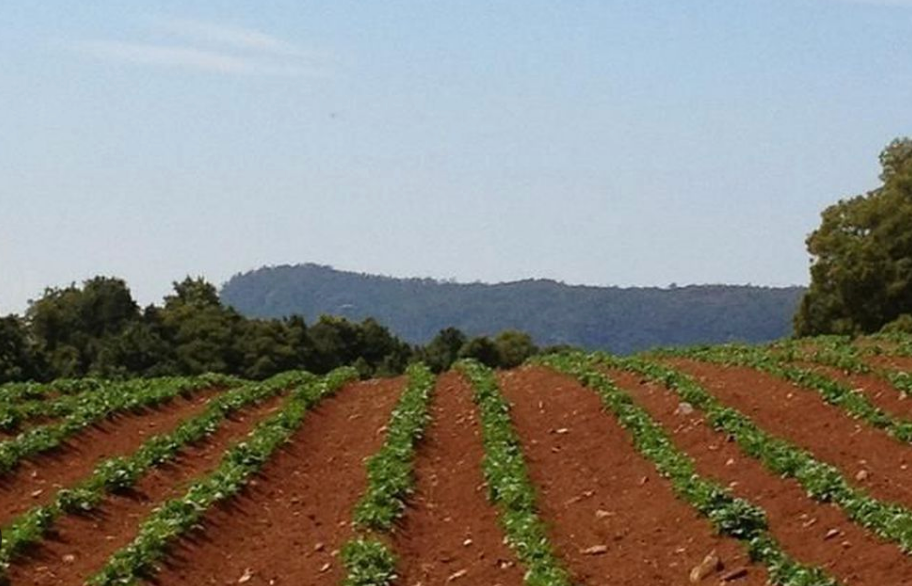
Basalt soil forms from volcanic rock that has broken down over thousands of years. In Robertson, this basalt base is deep, dark, and mineral-rich — famously fertile and highly prized for both farming and gardening.
This soil is packed with nutrients such as iron, magnesium, calcium, and potassium, giving plants strong foundations for healthy root growth, lush foliage, and generous flowering or cropping. It’s no coincidence that Robertson has long been known for its rich dairy pastures, potatoes, and thriving home gardens.
🌧️ How Basalt Creates a Microclimate
Our basalt plateau doesn’t just influence what grows here - it shapes how the weather behaves.
Basalt soil holds moisture exceptionally well. Combined with Robertson’s elevation, this contributes to:
Higher rainfall than surrounding areas
Frequent mist and fog, especially in summer and early mornings
Cooler daytime temperatures compared to lower-lying regions
The land itself acts like a sponge, absorbing water and slowly releasing it back into the air. This steady moisture cycle helps create the cool, damp conditions that define Robertson’s microclimate.
🌿 Why This Is a Gift for Gardeners
For gardeners, this combination of fertile soil and gentle, moisture-rich conditions is gold, with a few caveats.
The benefits include:
Strong, steady plant growth with less need for heavy feeding
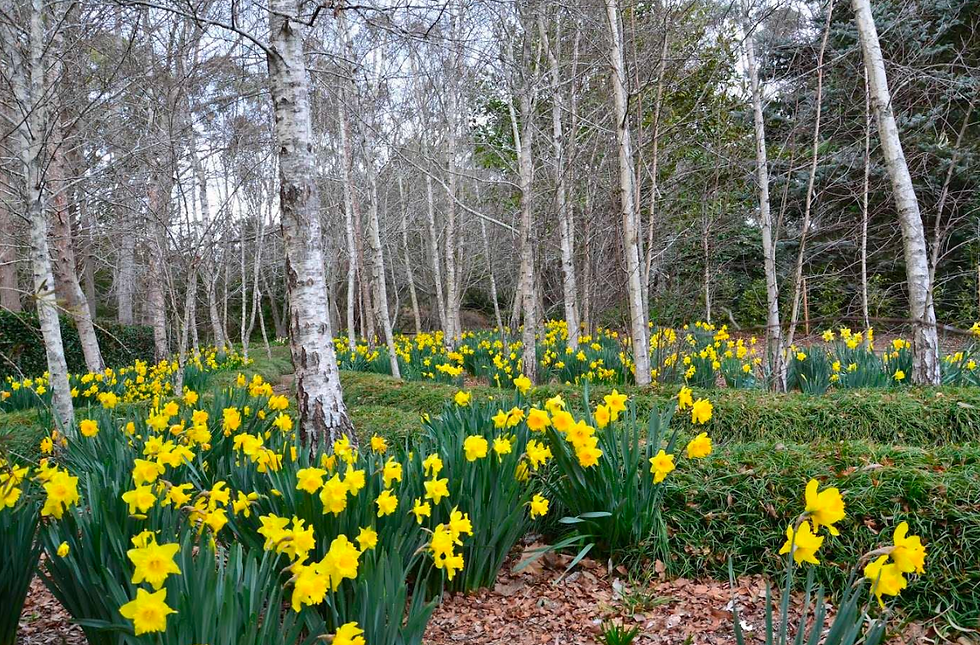
Excellent conditions for cottage garden plants, perennials, roses, hydrangeas, and cool-climate vegetables
Reduced summer heat stress compared to drier or hotter regions
Plants that struggle elsewhere often thrive here, producing lush foliage and extended flowering seasons.
⚠️ The Flip Side: Managing Abundance
Of course, all this goodness requires a bit of management. Basalt soil can be heavy and slow-draining, especially after prolonged rain. Combined with humidity, this means gardeners need to watch for:
Waterlogging
Fungal diseases
Rapid weed growth
Raised beds, good mulch practices, and thoughtful plant spacing go a long way in keeping gardens healthy and resilient.
🌱 Gardening With the Land
One of the joys of gardening in Robertson is learning to work with our soil and climate rather than against them. The basalt beneath our feet is doing much of the hard work - feeding plants, holding moisture, and moderating temperature.
When we observe what thrives naturally here and lean into those strengths, our gardens become not only more productive, but more relaxed and sustainable too. In many ways, Robertson’s basalt soil is the quiet hero of our gardens - unseen, but deeply felt in every thriving bed, misty morning, and muddy pair of boots.


Comments