
July in Robertson Gardens
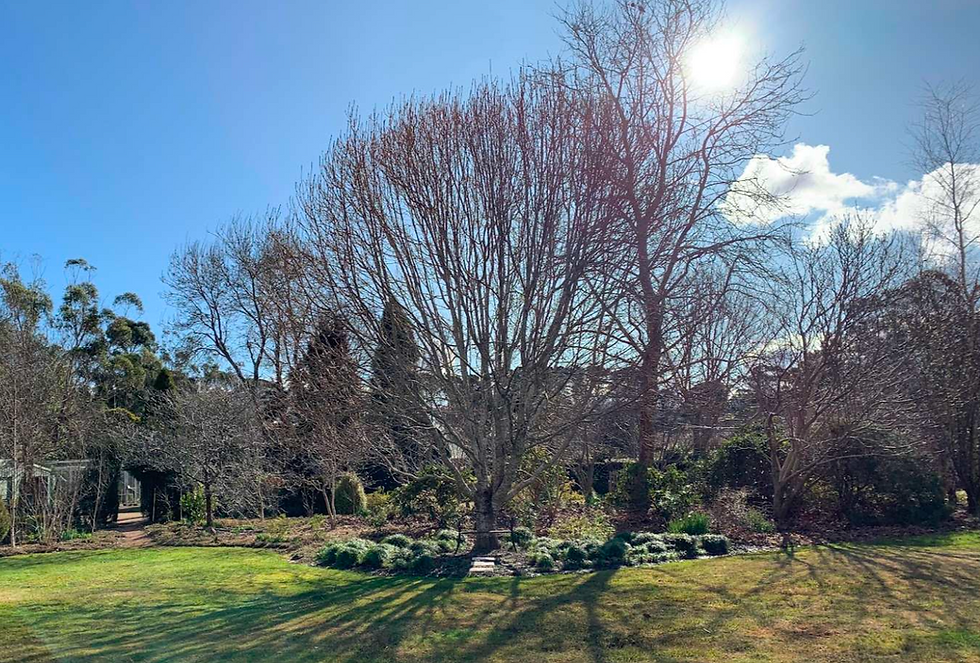
"Winter's beauty can be a powerful source of inspiration. Embrace the quiet and allow it to spark your creativity and motivation. Remember, in the stillness of winter, dreams can take root." — Nela
Garden Tasks
It's a great time to weed and mulch to prepare your garden for spring. Plant bare root roses, strawberry runners, rhubarb and asparagus crowns.

Peony Care
It's time to cut back dead foliage, fertilise and mulch peonies. Try to find a fertiliser with a combination of poultry manure, blood and bone and fish meal. Then add pot ash and/or wood ash. If you can't access wood ash, add some garden lime instead. Mix well and scatter a small spade full around each plant, water it in well, then mulch with sugar cane mulch to a depth of 10 cm.

IN THE VEGGIE GARDEN

Plant
Seedlings: broad bean, bulb onions (brown, white and red Spanish), golden shallots bulbs.
Sow directly into the ground (in a warm spot or raised bed): spring onions, broad beans, English spinach.
In containers, under glass or indoors: sow seed of cabbage, cauliflower and broccoli (to raise as seedlings for August planting), plus mesclun mix, rocket and coriander. Keep these in containers in a warm spot, fertilising and watering as needed.
Irrigation
With cooler nights this month, reduce the amount of time your irrigation is on and set it to go off early morning.
Asparagus
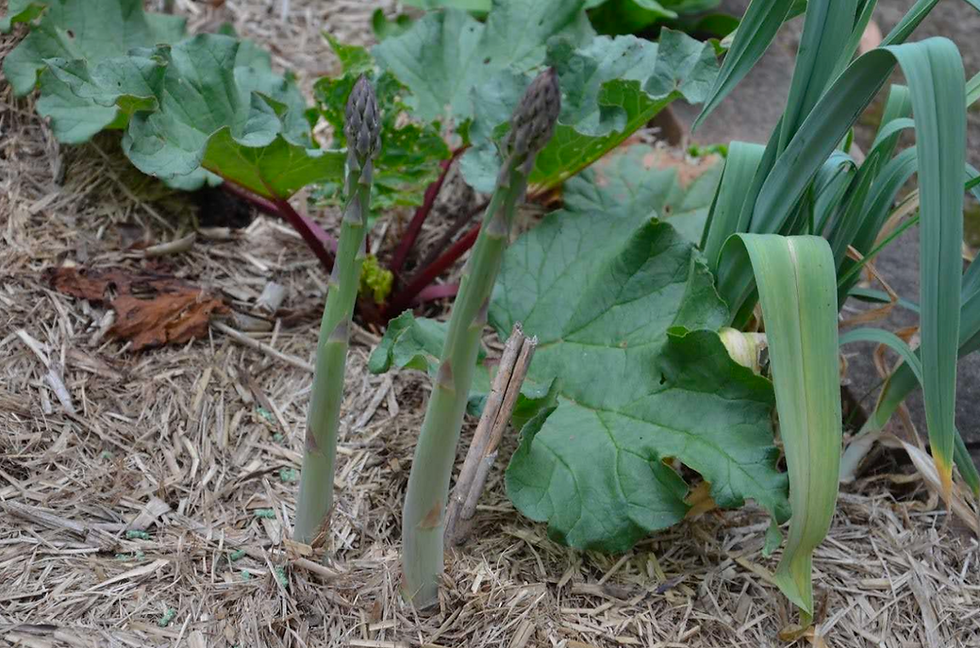
Order and plant asparagus crowns. They don't like being disturbed, so choose a spot where they can grow happily for the next 20 years. Dig a deep trench and fill it with well-rotted manures (such as sheep and cow) and compost. Let it settle before planting your crowns.
Soil Preparation
If you have bare areas in the vegetable garden, start your spring soil preparations by adding compost and well-rotted manures.
Perennials
Cut back asparagus fern, fertilise and mulch. It's also the best time of year to divide rhubarb crowns and replant, and/or fertilise and mulch established clumps.

IN THE ORCHARD
Bare rooted fruit trees will be in the nurseries this month, so have a look around the garden to see if you have space for one or more new trees. The same goes for berries such as raspberries, loganberries, boysenberries and the different coloured currants.
Preventative Fungicide Spraying
Time for preventative fungicide spraying in the orchard. Below is an extract from Australian Organic Gardening:
July is the best time for an application of an "over wintering" fungicide spray. Applied while the tree is dormant, an organic fungicide will help prevent the incidence of fungal disease in the warmer months and is particularly useful in controlling problems such as peach leaf curl, apple scab and brown rot. Lime sulphur is the prime over wintering spray for most deciduous fruit trees. It's also an allowable organic input and effective at controlling fungal disease but is less toxic to worms. The only caveat is that lime sulphur shouldn't be used on evergreen plants, because it may burn the foliage, or on apricots, which dislike sulphur. Applying lime sulphur is simple. Choose a still, sunny day, don some protective gear (goggles, gloves and a mask are usually sufficient), and mix the spray according to the manufacturer's directions. Apply to the whole tree, evenly wetting all branches and ensuring you get the spray into fissures in the bark. Some people spray the ground beneath the tree to prevent fungal spores from splashing back up, but a better idea is to clean up infected leaves and fruit and apply a generous layer of mulch. After all, it's nigh on impossible to overdo the mulch, and all trees will benefit from a layer of sugarcane, lucerne, or — my favourite for established trees — cheap but cheerful woodchip.
Taken from Organic Gardener magazine blog By: Justin Russell First published: July 2011 Last modified: February 2013

Pruning Reminders
Winter pruning encourages new growth, which is great for fruit trees like peaches and apricots that flower on last season's new wood. Stone fruits are best pruned in winter.
Summer pruning discourages new growth and encourages fruiting spurs on pome fruits such as apples and pears, so these are best pruned in summer (January).
Get Ready to Prune
It's pruning time, so get out your secateurs, loppers and pruning saws. Sharpen and oil them ready for all your winter pruning jobs.
If you're not confident pruning fruit trees, google it — there are plenty of YouTube videos and articles on the subject that will give you a good idea of what to do.
This is a great video from Peter Cundall
Fertilising
For all your winter fertilising questions, go to: https://neutrog.com.au/seasons/winter/


Comments